Feral swine have been called the “rototillers� of nature. Their long snouts and tusks allow them to rip and root their way across America in search of food. Unfortunately, the path they leave behind impacts ranchers, farmers, land managers, conservationists, and suburbanites.
Found in at least 35 states with a population of more than 5 million, feral swine cause approximately $1.5 billion in damages and control costs in the U.S. each year, with at least $800 million of this estimate due to direct damage to agriculture.
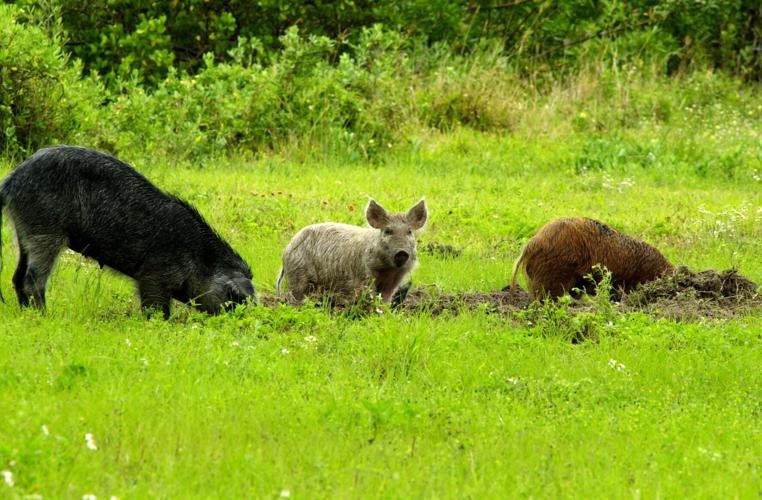
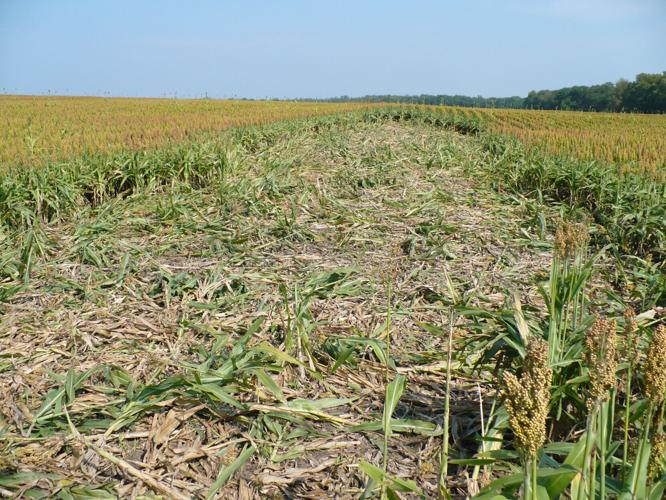
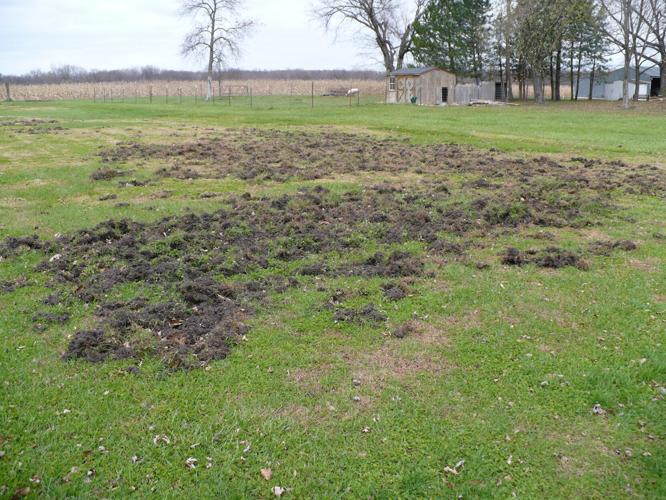
In just a few nights, feral swine can decimate lawns, native habitats and pasturelands. Common feral swine damage includes rooting, wallowing, and trampling of sensitive vegetation.
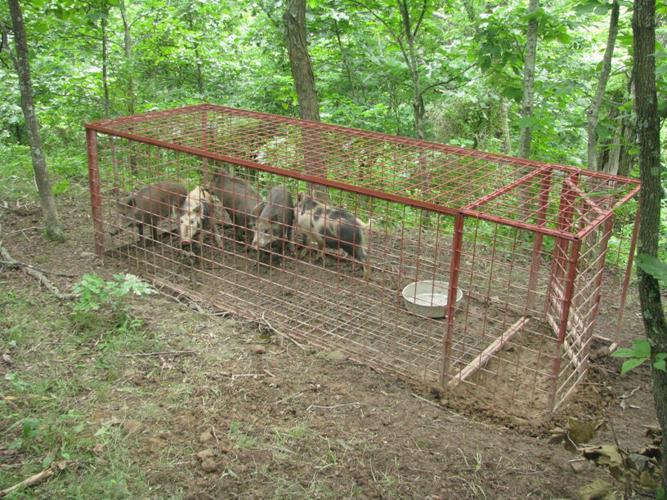
USDA APHIS Wildlife Services field specialists help to reduce feral swine damage by trapping, hunting, installing fencing/barriers, and modifying habitats.
Feral swine have been called the “rototillers� of nature. Their long snouts and tusks allow them to rip and root their way across America in search of food. Unfortunately, the path they leave behind impacts ranchers, farmers, land managers, conservationists, and suburbanites.
Photo provided by NASA.
Found in at least 35 states with a population of more than 5 million, feral swine cause approximately $1.5 billion in damages and control costs in the U.S. each year, with at least $800 million of this estimate due to direct damage to agriculture.
USDA APHIS photo:
Tyler Campbell
In just a few nights, feral swine can decimate lawns, native habitats and pasturelands. Common feral swine damage includes rooting, wallowing, and trampling of sensitive vegetation.
Photo by USDA APHIS
USDA APHIS Wildlife Services field specialists help to reduce feral swine damage by trapping, hunting, installing fencing/barriers, and modifying habitats.
CADIZ — The U.S. Department of Agriculture’s Animal and Plant Health Inspection Service eradicated more than 1,800 wild pigs in Land Between the Lakes in 2026. A local official explained the benefits of ridding the area of feral pigs.
Feral swine are a non-native and invasive species found across the country, including in LBL. Scott Raymond, public affairs officer for LBL, said the feral hogs in the region are the result of others illegally releasing them from Tennessee. He said hogs have created issues for years.
Keep it Clean. Please avoid obscene, vulgar, lewd,
racist or sexually-oriented language. PLEASE TURN OFF YOUR CAPS LOCK. Don't Threaten. Threats of harming another
person will not be tolerated. Be Truthful. Don't knowingly lie about anyone
or anything. Be Nice. No racism, sexism or any sort of -ism
that is degrading to another person. Be Proactive. Use the 'Report' link on
each comment to let us know of abusive posts. Share with Us. We'd love to hear eyewitness
accounts, the history behind an article.
Please log in, or sign up for a new account and purchase a subscription to read or post comments.
We have used your information to see if you have a subscription with us, but did not find one. Please use the button below to verify an existing account or to purchase a new subscription.
Your current subscription does not provide access to this content. Please use the button below to manage your account.


(0) comments
Welcome to the discussion.
Log In
Keep it Clean. Please avoid obscene, vulgar, lewd, racist or sexually-oriented language.
PLEASE TURN OFF YOUR CAPS LOCK.
Don't Threaten. Threats of harming another person will not be tolerated.
Be Truthful. Don't knowingly lie about anyone or anything.
Be Nice. No racism, sexism or any sort of -ism that is degrading to another person.
Be Proactive. Use the 'Report' link on each comment to let us know of abusive posts.
Share with Us. We'd love to hear eyewitness accounts, the history behind an article.